
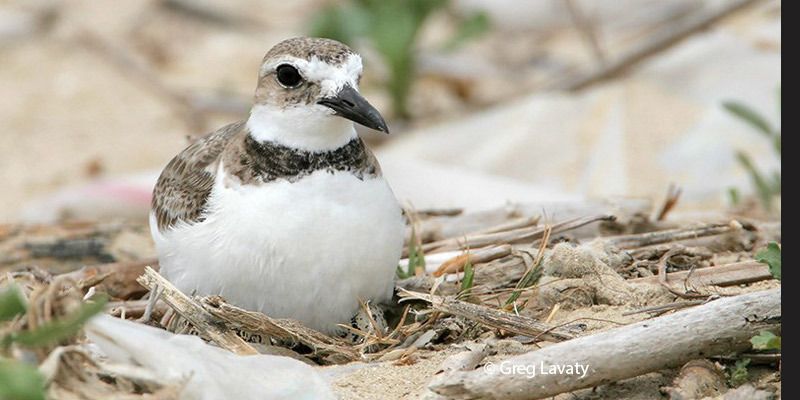
Science and Stewardship on the Upper Texas Coast
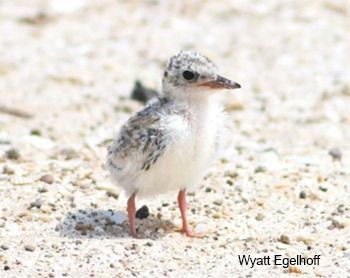
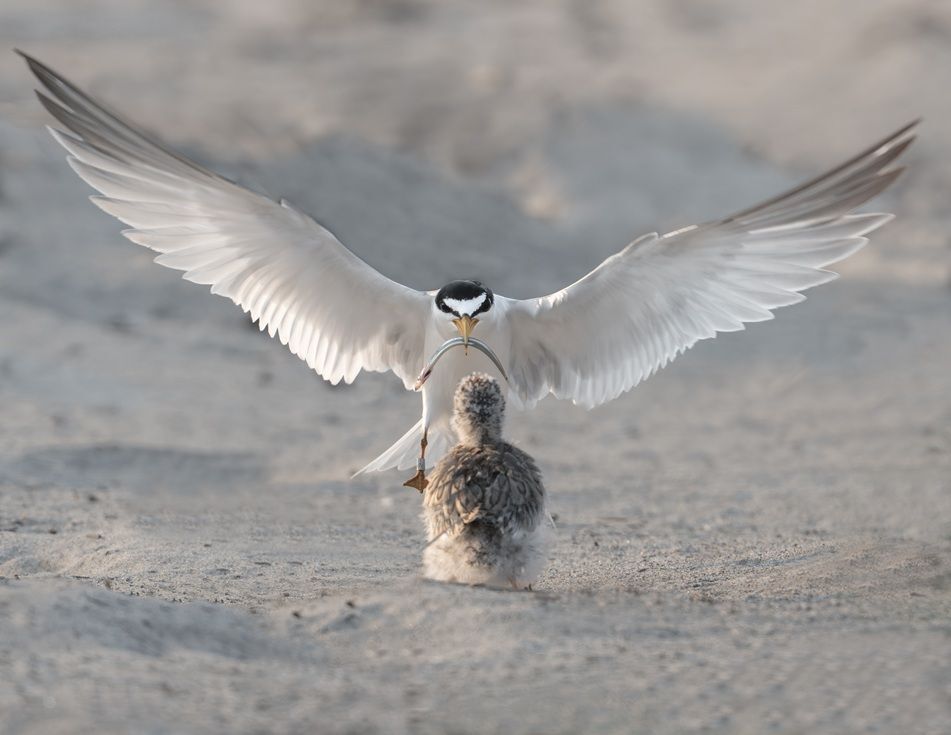
Least Tern chick
The arrival of spring means the return of beach-nesting birds to the Upper Texas Coast. Unlike birds that nest in trees or marshes, these species rely on the open beach for survival. Houston Audubon, in partnership with American Bird Conservancy, manages these vulnerable populations through a combination of:
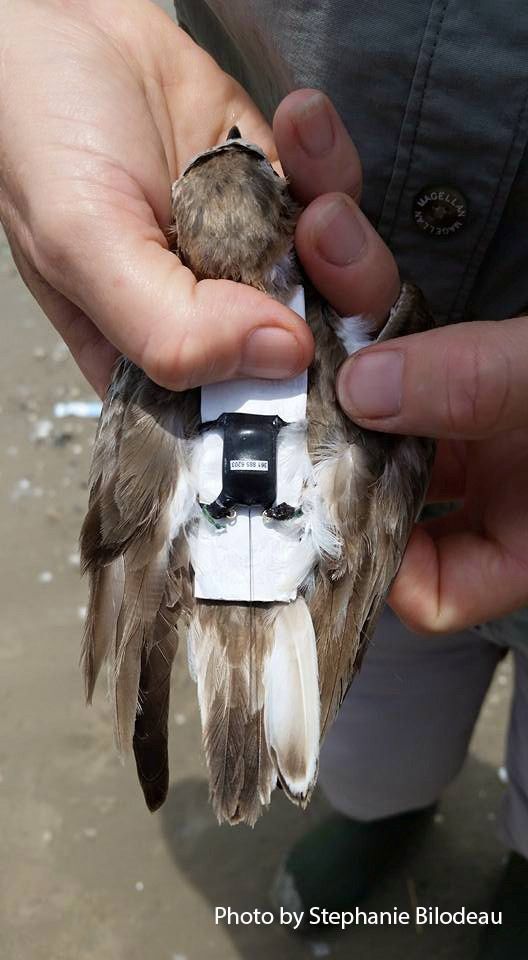
- direct monitoring - surveying nesting sites throughout the season
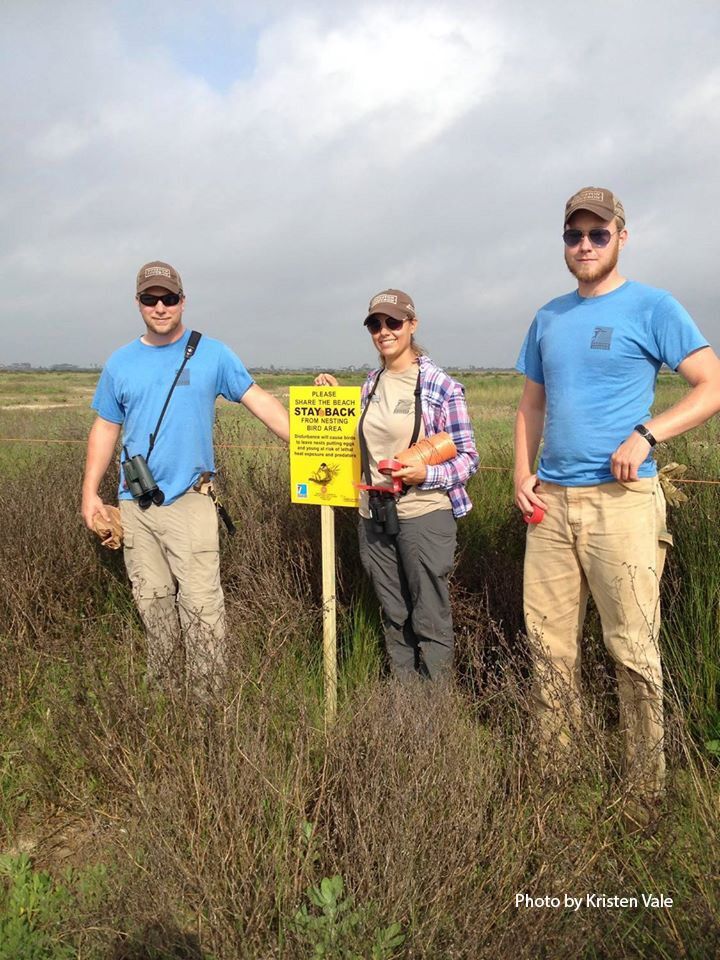
- symbolic fencing - during nesting season from March through August, fencing is placed around the dunes and beaches at popular nest sites to protect them from disturbance
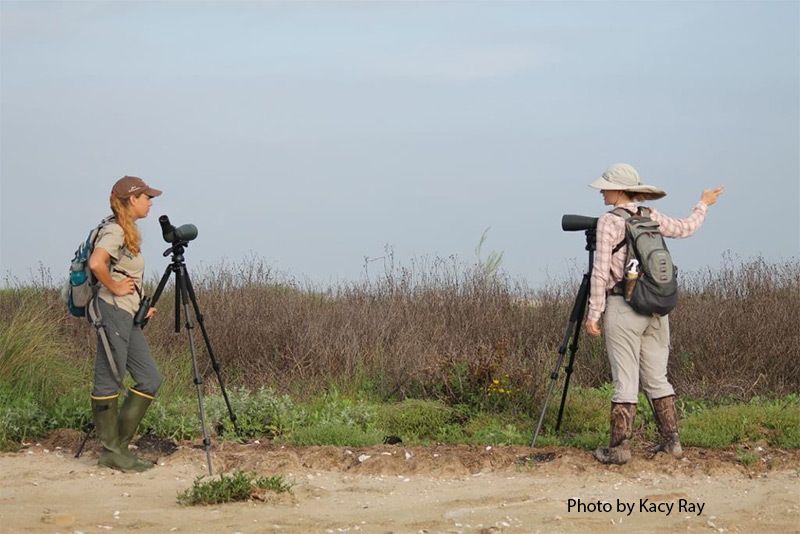
- public stewardship - our staff are in the community raising awareness and educating beachgoers about how they can help our beloved Bolivar Birds
Help us reach more broadly!
Volunteers are needed to help with outreach on Bolivar beaches this summer. No expertise is needed, we'll provide training materials and support.
Share the Shore with Bolivar Birds
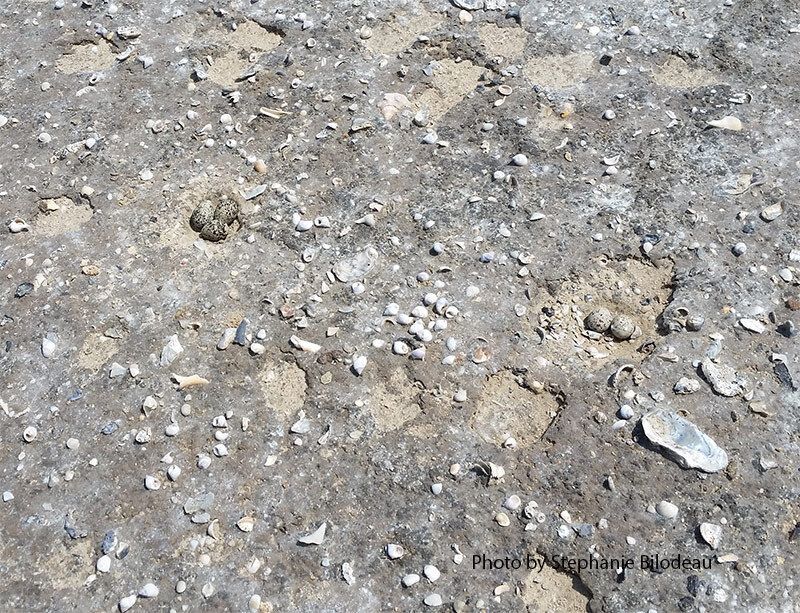
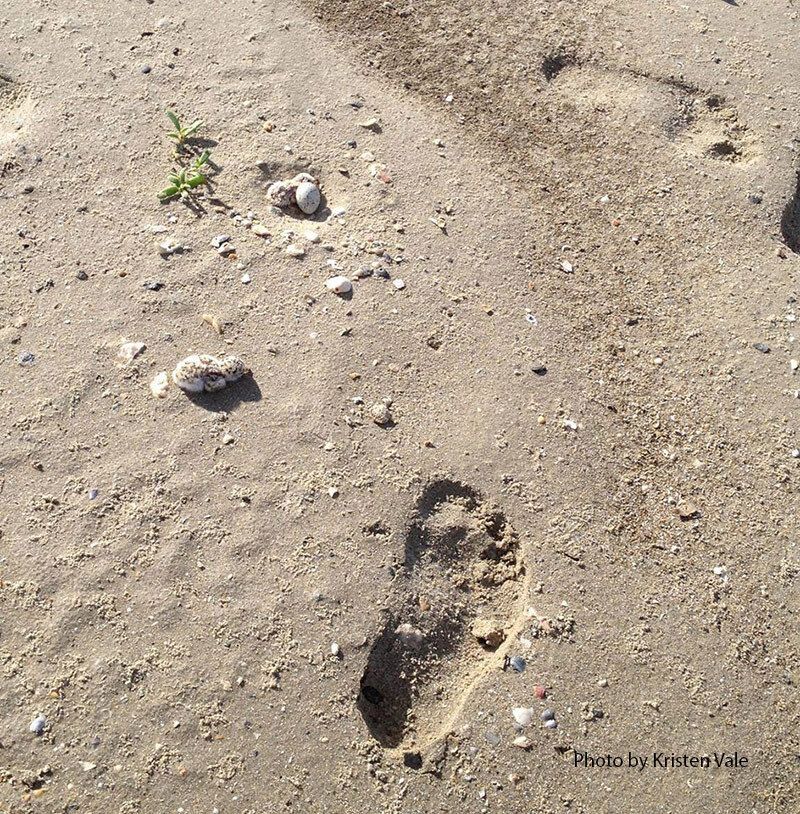
Human activity, off-leash pets, and vehicles pose a serious threat to beach-nesting birds, who rely entirely on camouflage for protection. When parents are flushed from their nests, their eggs and chicks become easy targets for predators and the harsh coastal sun. Because these nests are so well-hidden, they are often accidentally stepped on or run over. Over time, repeated disruptions can force birds to abandon their nesting sites entirely.
To ensure these birds can safely raise their chicks, we ask all visitors to adhere to the following protocols:
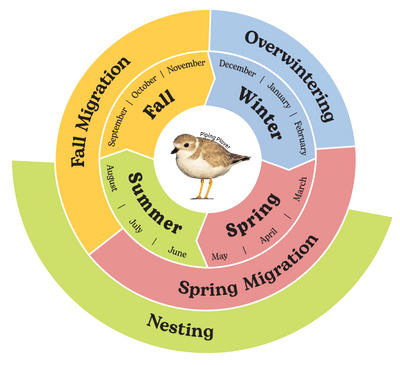
March - August: Nesting Season
-
Walk in the wet sand
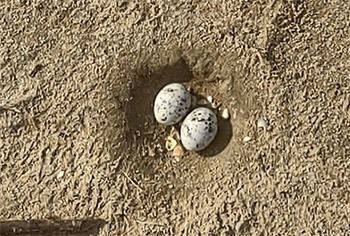
Baby birds and eggs blend in perfectly with the dry sand, so staying in the wet sand will help you avoid accidentally stepping on any nests.
-
Stay 50 yards away from posted nesting areas
When humans or pets get too close, parent birds perceive a threat and flush (fly away) from the nest. Constant disturbance can cause the bird to abandon eggs or chicks entirely. If you get too close or notice an agitated bird, walk away and give them space.
-
Leave found chicks alone
While it's a natural instinct to want to rescue a chick standing alone on the sand, in the vast majority of cases, interference does more harm than good. Just because you don't see an adult doesn't mean they aren't watching from a distance, waiting for you to leave so they can return.
-
Watch your step and maintain vigilance
While fencing is placed to protect key nesting areas on the Bolivar Peninsula, it is worth watching for nesting birds wherever you may be enjoying time on the beach.
Year-Round
-
Keep pups on a leash
Because chicks and eggs are perfectly camouflaged, a dog running through the sand can easily trample a nest or kill a chick before you even realize they were there. Additionally, shorebirds often flush their nests from a much greater distance when a dog is present, keeping parents away from their eggs for longer.
-
Don't scare birds into flight
Every time a human or dog causes birds to fly away, they burn critical energy needed for feeding their young or surviving their upcoming migration.
-
Properly discard fishing line
Shorebirds, sea turtles, and marine mammals cannot see thin fishing lines. Once they swim or walk into it, the line wraps around their legs, wings, or necks. Because the line is designed not to break, the animal often becomes immobilized, leading to starvation, amputation, or drowning. Standard monofilament line takes approximately 600 years to decompose - a single piece of line can continue to kill wildlife for generations.
-
Pick up trash (or join a beach clean-up!)
Leftover food scraps, wrappers, and containers attract predators. Many coastal birds are opportunistic builders, mistaking trash for natural nesting materials, leaving chicks vulnerable to entanglement in their own nest. Birds also mistake small pieces of plastic for food. Since plastic doesn't digest, it sits in the bird's stomach, creating a false sense of fullness that leads to starvation. Sharp edges on plastic shards can also puncture internal organs.
Spread the message!
-
Sample Social Media Posts
Sample Social Media Post 1:
On the Bolivar Peninsula, we love our birds! Remember to Walk in Wet Sand this season! One of the best ways to protect our nesting birds is to walk in the wet sand near the surf during the summer months (Memorial Day to Labor Day). Baby birds and eggs blend in perfectly with the dry sand, so staying in the wet sand will help you avoid accidentally stepping on any nests. #SharetheShore safely and walk on wet sand! Learn more about #BolivarBirds at www.houstonaudubon.org/BolivarBirds
@HoustonAudubon
Sample Social Media Post 2:
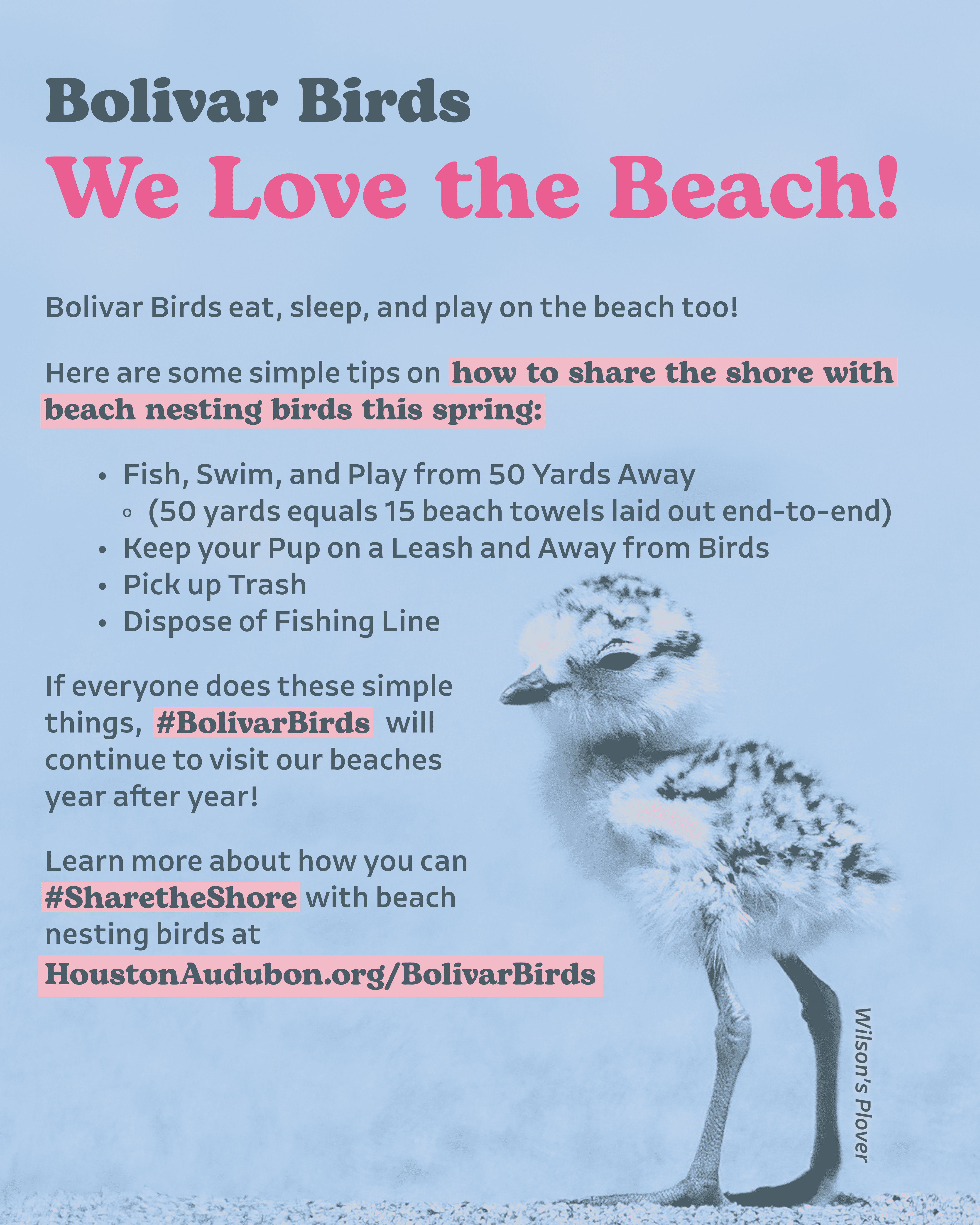
Bolivar Birds eat, sleep, and play on the beach too! Here are some simple tips on how to share the shore with beach nesting birds this spring:
🏖️Fish, Swim, and Play from 50 Yards Away (50 yards equals 15 beach towels laid out end-to-end)
🏖️Keep your Pup on a Leash and Away from Birds
🏖️Pick up Trash
🏖️Dispose of Fishing Line
If everyone does these simple things, #BolivarBirds will continue to visit our
beaches year after year!
If everyone does these simple things, #BolivarBirds will continue to visit our beaches year after year! Learn more about how you can #SharetheShore with beach nesting birds at www.houstonaudubon.org/BolivarBirds @HoustonAudubon
Downloadable Social Media Graphic:
https://drive.google.com/file/d/1DAIqiXvtJz2ANO0ja2q6H_naKKVV8dNV/view?usp=drive_link
Customizable Canva Templates:
With Frame: canva.link/ao6d1w765xzw8tv
With Overlay Text: canva.link/gp7xjyax4n7vo73
Select View template from the link shared above. This will create a copy of the file in your personal Canva.
To include your own background drag and drop new image from the Uploads tab or the Photos library
Move the image to the background in the Position section select To back
If you are creating a with the transparent templates and personal caption consider the following:
Call to action video/caption
Educational content on your favorite shore bird
Volunteer beach day experiences
Highlight the Bolivar business you like to stop by before birding/enjoying the beach
We want to celebrate the birds of Bolivar, tap into any well loved experience you’ve had on the beach!
Focal Species
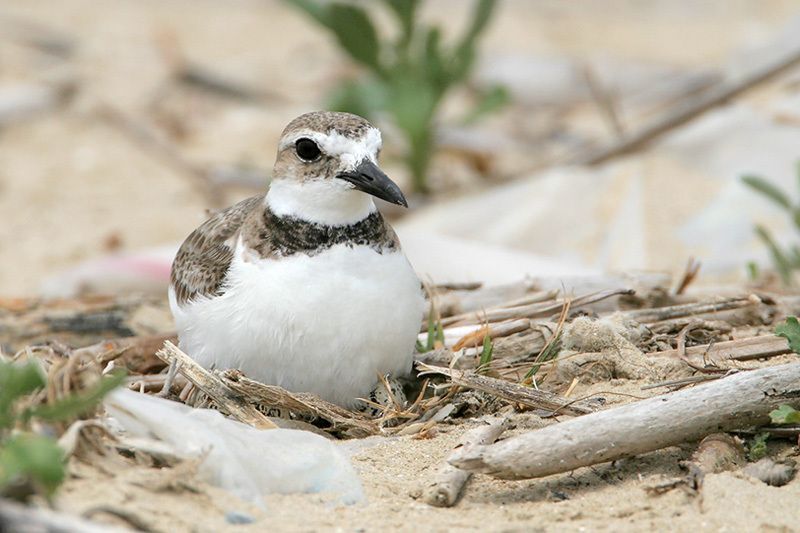
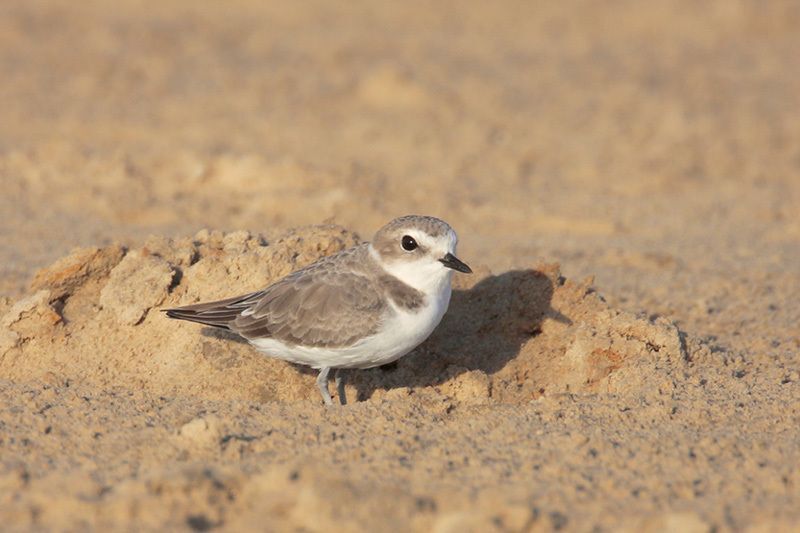
Our monitoring focuses on three primary species of concern, whose cryptic nesting habits leave them uniquely vulnerable to human-caused disturbance.
Contact
-
For questions or concerns about a specific site.